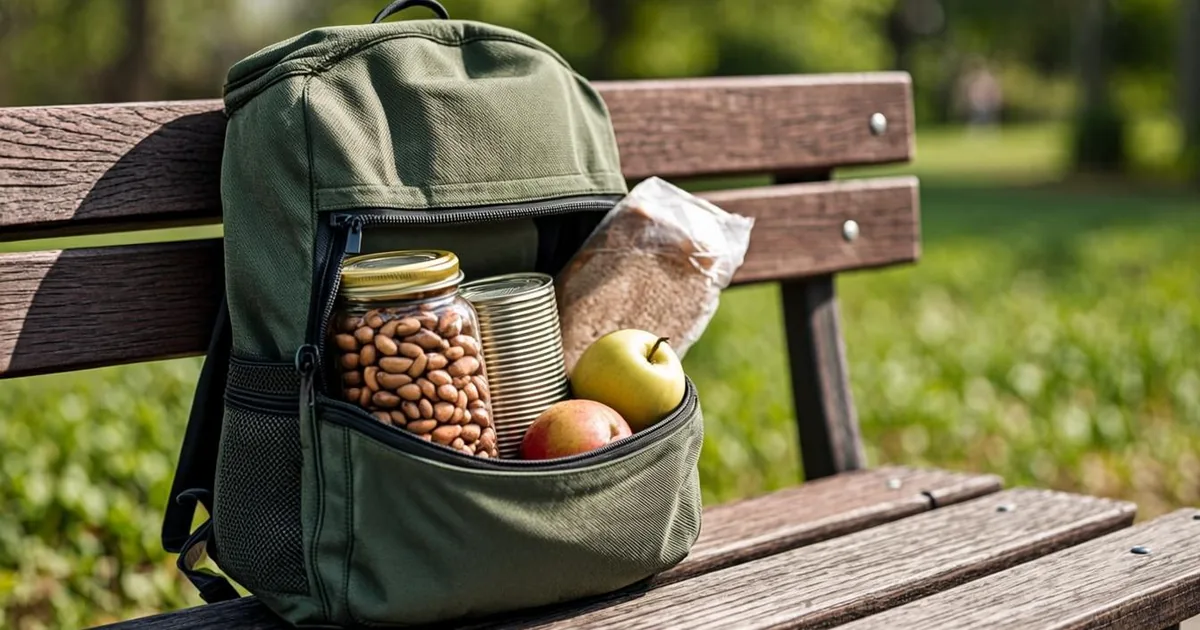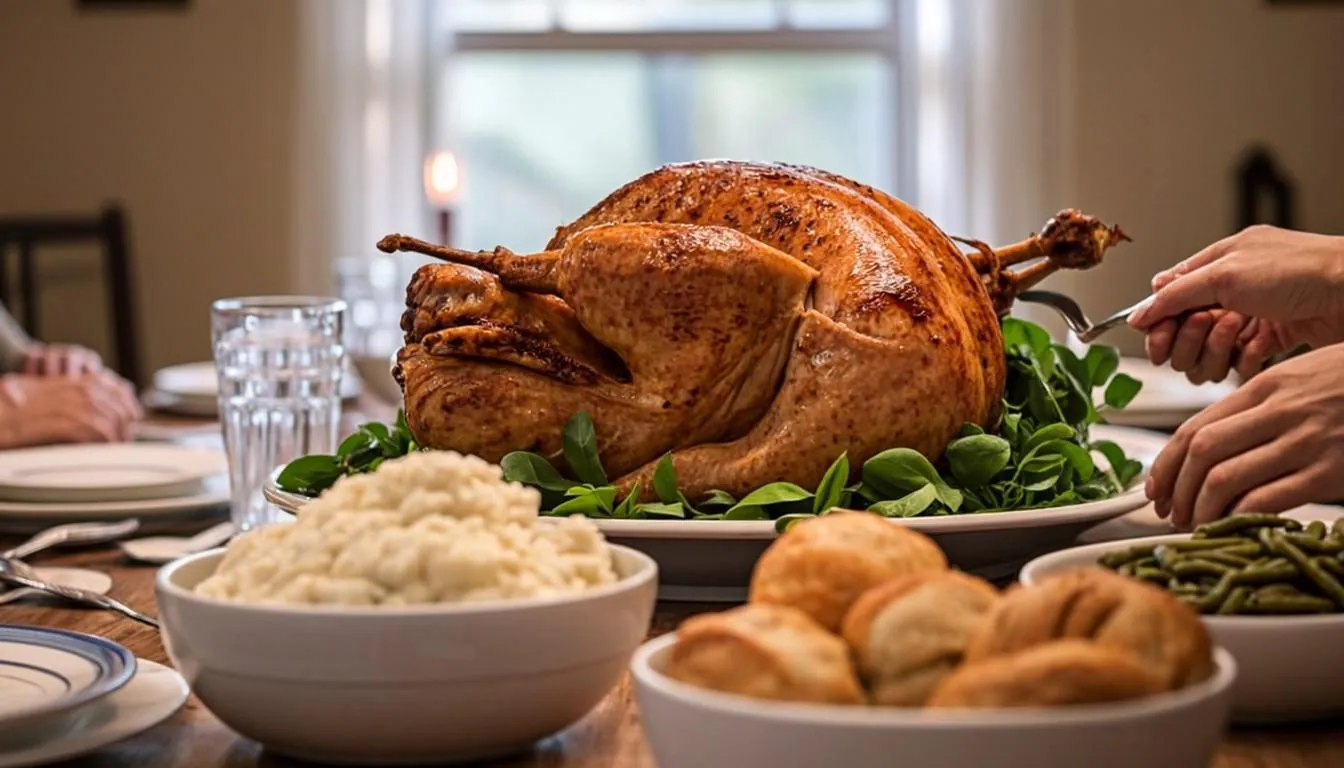
Every November the same rumor makes the rounds: SNAP does not cover "real" Thanksgiving food, or the turkey has to be plain, or benefits stop before the holiday. None of it is true.
SNAP buys every ingredient of a classic Thanksgiving dinner — the turkey, the stuffing mix, the potatoes, the cranberry sauce, the pumpkin pie — and your November benefits do not pause before the holiday.
A household with a normal November deposit and a $60-to-$100 food budget can put a complete dinner on the table for six.
The catch is timing and strategy, not eligibility. Thanksgiving falls on Thursday, November 26 in 2026, most national grocery chains close for the day, and a handful of states finish loading November benefits before that week even starts.
The households that struggle are the ones that discover all three facts on the Wednesday before the holiday.
This guide covers what SNAP pays for on the Thanksgiving table, what it cannot buy, a real $47 cart that feeds six with leftovers, when your November deposit lands, and the store-hours traps worth planning around.
Every rule cited is the federal SNAP food eligibility standard, current as of November 2026.
Yes — you can buy a full Thanksgiving dinner with EBT. Any unprepared food that people commonly eat at home is SNAP-eligible: a frozen or fresh turkey, stuffing mix, canned vegetables, potatoes, cranberry sauce, dinner rolls, pie shells and pumpkin filling, milk, and butter.
What SNAP cannot buy is hot prepared food from the deli counter, alcohol, and non-food items — and in 2026, Walmart, Target, and Aldi close on Thanksgiving Day itself, so the shopping has to happen by Wednesday, November 25.
| Thanksgiving Item | Can SNAP Buy It? |
|---|---|
| Frozen or fresh turkey | Yes — any uncooked poultry counts as staple food |
| Stuffing mix, canned vegetables, cranberry sauce | Yes — shelf-stable groceries are fully covered |
| Pumpkin pie mix, pie crust, whipped topping | Yes — dessert ingredients are eligible foods |
| Hot rotisserie turkey or deli tray from the hot case | No — food hot at the point of sale is excluded |
| Restaurant or takeout dinner | Generally no — except in states with a Restaurant Meals Program for seniors, disabled, or homeless households |
| Wine, beer, cider with alcohol | No — alcoholic beverages are federally excluded |
| Aluminum pans, napkins, candles | No — non-food items never rung on SNAP |
What SNAP Buys for the Thanksgiving Table
The federal rule is simpler than shoppers expect: SNAP covers any food or food product intended for home preparation and consumption.
That covers the entire traditional menu — turkey, ham, stuffing mix, instant or fresh potatoes, canned green beans and corn, gravy packets, cranberry sauce, dinner rolls, butter, milk, eggs for baking, pecan or pumpkin pie ingredients, whipped topping, and even the bag of button mushrooms for the green bean casserole.
Frozen pies count, fresh turkeys count, and so do the store-brand versions of everything, which is where the savings live.
The exemption that surprises people is the hot-food rule. SNAP cannot buy food that is hot at the point of sale, which rules out the pre-roasted turkeys sitting in the heated case and the prepared hot meals some supermarkets sell by the tray.
The same turkey, raw or fully cooked but sold cold and intended to be reheated at home, is fine — read the label, and if the price ring happens at a hot case, it will not rung through SNAP.
Households in states operating a Restaurant Meals Program — California and Arizona among the largest — have one extra door: eligible seniors, people with disabilities, and sometimes homeless participants can use SNAP at approved restaurants.
It will not buy the family feast, but it does mean an eligible grandmother can buy a hot meal on the holiday itself.
Everyone else plans around groceries, and the fast food and restaurants that accept EBT guide shows how those programs work state by state.
What SNAP Cannot Cover on the Holiday
Three categories never rung through SNAP, and knowing them keeps the checkout line painless. First, hot prepared food, as above — the supermarket hot bar and the pre-made hot trays are out.
Second, alcohol of any kind, including the sparkling cider that actually contains alcohol. Third, non-food items: the roasting pan, the aluminum trays, the candles, the napkins, the greeting cards. Households that want those pay for them separately or skip them.
The gray zone worth knowing about is delivery. Ordering Thanksgiving groceries online with EBT through Walmart, Kroger, or the Instacart marketplace works in most states now, but the delivery and service fees cannot be paid with SNAP — only the eligible food items can.
A $12 fee on a $60 order is real money for a family counting every dollar, and delivery slots for the holiday week sell out days in advance.
If you shop online, order early and pick up at the store when the option exists, because curbside pickup usually carries no fee.
A $47 Thanksgiving Cart That Feeds Six
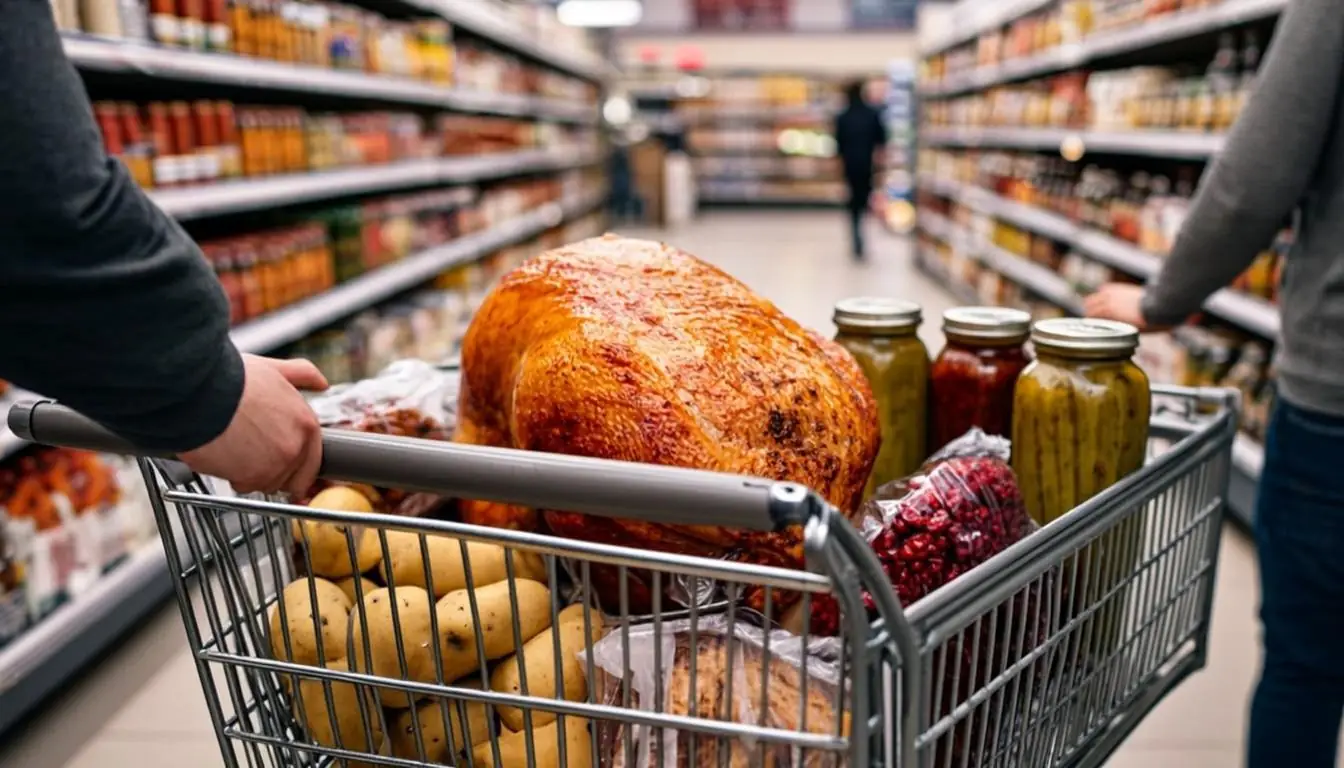
Here is a full traditional dinner built from national store-brand pricing, rang entirely on SNAP. Prices shift by region and by store, so treat this as a planning template rather than a quote — but the structure holds almost everywhere:
| Item | Typical price |
|---|---|
| Frozen turkey, 12 lb | $16.00 |
| Stuffing mix, family size | $2.00 |
| Canned green beans, 2 cans | $2.00 |
| Condensed mushroom soup, 2 cans | $3.00 |
| Cranberry sauce, 1 can | $2.00 |
| Canned yams, 1 large can | $3.00 |
| Dinner rolls, 12-count | $2.50 |
| Pumpkin pie mix + 2 pie crusts | $5.00 |
| Milk, half gallon | $3.50 |
| Butter | $3.50 |
| Potatoes, 5 lb bag | $4.00 |
| Total | $46.50 |
Against the FY2027 maximum benefit of $808 for a family of three or $1,023 for four, the dinner costs a fraction of one month's allotment — which is the whole point.
The holiday meal is not a special budget problem; it is a normal grocery trip with a longer list.
The frozen turkey is the single biggest saver: fresh birds often cost 40 to 60 percent more per pound in the same store, and a frozen one thawing in the refrigerator from Tuesday cooks identically on Thursday.
Why Shopping Early Matters in 2026
Thanksgiving 2026 lands on Thursday, November 26, and the national store picture for the holiday itself is thin: Walmart, Target, and Aldi have confirmed they will close for Thanksgiving Day, and Kroger's stores that open will run shortened hours, generally closing in the early afternoon with pharmacies shut for the day.
Hours always vary by location, so confirm your specific store before you build the day around it — but the safe planning assumption is that nothing big is open on Thursday itself.
That makes Tuesday or Wednesday, November 24 and 25, the real deadline. Turkey selection thins badly by Wednesday afternoon, the frozen case empties first, and delivery windows for the holiday week are usually gone by the previous Friday.
Shop Monday or Tuesday if the deposit schedule allows it; the stores are quieter and the markdowns on holiday stock have usually started.
The other timing layer is your deposit date.
Most states finish loading November benefits well before the holiday week, and the handful that run late — Florida spreads deposits across the entire month and Texas loads from the 16th to the 28th — may have households still waiting during Thanksgiving week itself.
The national EBT payment schedule lists every state's November rhythm.
Thanksgiving on a SNAP Budget: The Moves That Work
The families who pull this off well do four things. They buy the turkey frozen and early, because the price per pound only climbs as the holiday approaches.
They build the menu around store brands and canned staples instead of the festive packaging — the $2 can of green beans performs identically to the $4 holiday-branded one.
They treat the leftovers as part of the plan, because a 12-pound bird for six people is two extra meals of turkey soup and sandwiches that stretch the benefit week into the following one.
And they use the produce-match programs where they exist: farmers markets that double EBT dollars for fruits and vegetables turn a $5 purchase into $10 of produce for the sides.
One more move works in every state: grow something.
SNAP dollars buy seeds and food-producing plants as eligible items, so a windowsill herb pot or spring vegetable garden counts as a food purchase — the seeds and plants rule is one of the least-known corners of the program.
It will not fix this Thursday, but next Thanksgiving's side dishes can genuinely start from this year's card.
Thanksgiving on SNAP: Questions, Answered
These are the questions households type into search bars every November, answered with the rules as they stand in November 2026.
Planning the rest of the month around the holiday?
The SNAP benefits calculator shows exactly how much lands on your card each month, the FY2027 maximum allotment chart shows the ceiling for your household size, and the December 2026 payment schedule covers the reload that follows the holiday week.