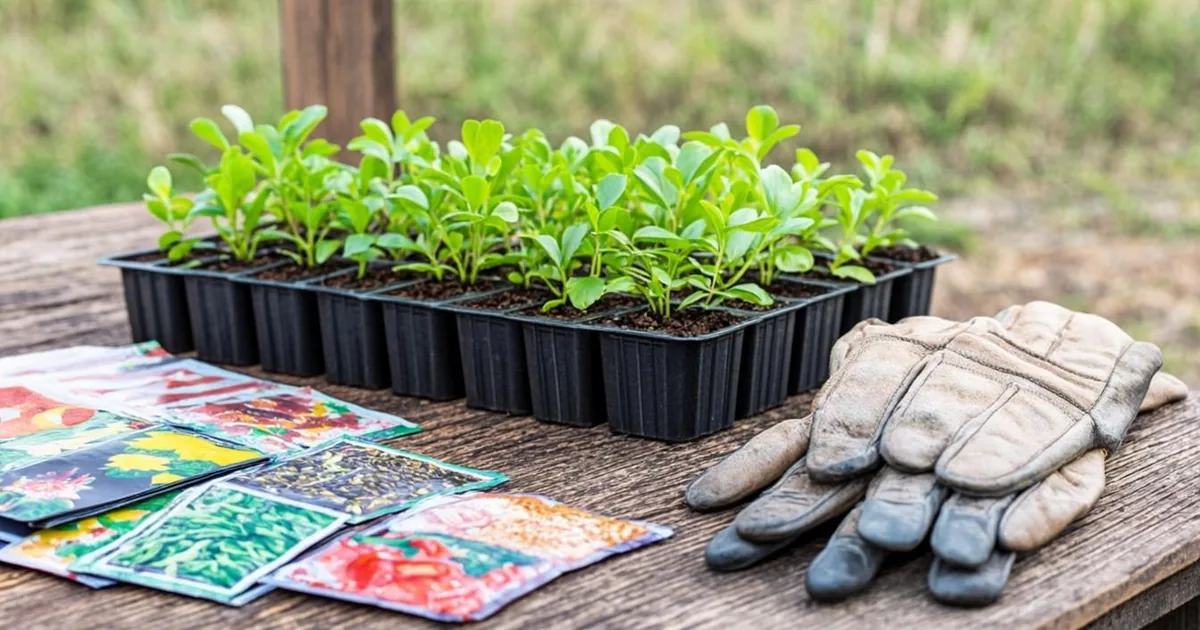
SNAP lets you buy seeds and plants that grow food, including vegetables, fruits, and herbs. Federal rules have always treated garden seeds and plants exactly like groceries, because they produce food your household eats.
This little-known rule can turn just a few dollars of seeds into pounds of fresh produce every summer. This complete guide explains what qualifies, exactly where to shop, and how to start a garden this season.
What Seeds and Plants SNAP Officially Covers
The official eligible food definition includes seeds and plants used by households to grow foods for home consumption. That broad definition covers nearly everything a productive food garden needs, from tomato starts to berry bushes.
- Vegetable seeds, including tomatoes, peppers, lettuce, beans, carrots, and squash varieties.
- Herb seeds and starter plants, such as basil, mint, cilantro, parsley, and thyme.
- Fruit plants and trees, including strawberry plants, blueberry bushes, and dwarf apple trees.
- Seed potatoes, onion sets, garlic bulbs, and any other edible planting stock.
- Seedling trays and small edible plant starts sold at hardware store garden centers.
The official USDA eligible foods page states this garden rule in very plain language for everyone. Print or screenshot that page before your first shopping trip, because not every cashier knows the rule.
Garden Items Your EBT Card Cannot Buy
The garden rule only covers living food producers, and everything else stays fully outside the definition.
- Ornamental flowers, decorative shrubs, and any plant grown purely for looks.
- Fertilizers, potting soil, mulch, pesticides, and every other garden supply type.
- Pots, planters, tools, hoses, and raised bed materials of any kind.
- Lawn grass seed, since lawns produce nothing your household can actually eat.
Simply split the transaction at the register, paying EBT for plants and cash for the supplies. Cashiers handle this kind of split daily, and most registers separate eligible items automatically anyway.
Where to Buy Garden Plants With EBT
Every single retailer that accepts SNAP must also ring up eligible garden items on your EBT card. Big-box hardware stores with large garden centers are honestly the most reliable place to start shopping.
Many grocery stores with seasonal garden racks also carry seed packets and starter plants every spring. Dollar stores often stock cheap seed packets in early spring at extremely low prices for families. Farmers markets increasingly accept EBT payments through market tokens or modern wireless card machines at entrances.
The USDA farmers market page explains exactly how these market EBT programs operate everywhere today.
Some market vendors also sell young seedlings and herb starts right alongside their fresh produce tables. Always ask the friendly market manager which vendors accept EBT before you browse the open stalls.
Why a SNAP Garden Beats the Grocery Store Price
The simple economics of a small SNAP garden genuinely change an ordinary household food budget. A three-dollar tomato seed packet can easily yield twenty or more pounds of ripe summer fruit.
One healthy zucchini plant can feed a whole family all summer from a single four-dollar seedling. Salad greens regrow continuously from one single planting, cutting weekly lettuce purchases for nearly two months. Fresh herbs deliver the sharpest savings of all, because packaged fresh herbs cost several dollars per ounce.
A single windowsill basil plant keeps producing for months once you learn to harvest it correctly.
Every single dollar saved at the grocery store stretches your benefit toward the next month ahead. Households combining small backyard gardens with smaller benefits consistently report the biggest monthly budget relief overall.
Starting Your First SNAP Garden This Season
Start deliberately small, because a few reliable crops beat an ambitious plot that quickly overwhelms you. Choose just three vegetables your household actually eats regularly, then buy those particular seeds first.
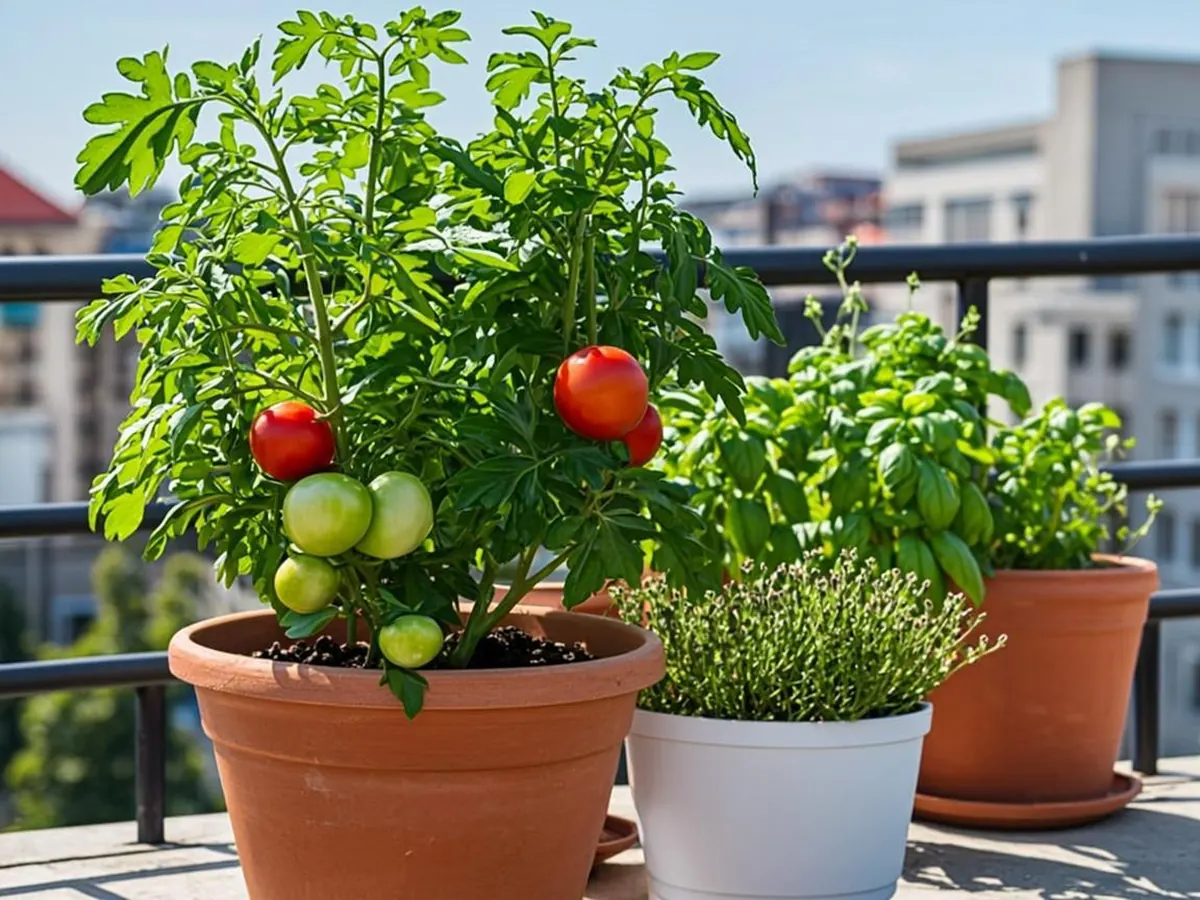
Lettuce, radishes, and bush beans grow very fast and forgive beginner mistakes almost fully every time. Tomatoes and peppers reward your patience with heavy harvests through the whole long summer season. Renters can grow a surprising amount of food in containers on balconies and sunny windowsills.
Cheap five-gallon buckets with drainage holes grow tomatoes, peppers, and herbs in almost no space.
Community gardens rent very cheap plots in most cities, and some even offer free youth programs. Local cooperative extension offices publish free detailed planting calendars for your exact climate zone every year.
Timing Your Seed Purchases Through the Year
Seed displays appear in stores during late winter and then vanish fully by early summer. Buy your cool-season seeds in February or March, then warm-season plants after the final frost date.
Late summer also brings clearance sales on seeds that stay perfectly viable for several storage years. Stock up generously then, because properly stored seeds germinate very well for three to five seasons. Fall planting also works beautifully for garlic, onions, and certain leafy greens in milder regions.
Your local extension office calendar lists the exact planting windows for your specific ZIP code area.
Common First-Garden Mistakes Worth Avoiding
Beginners consistently make the same four frustrating mistakes, and every one of them is fully avoidable. Planting too early in the season kills warm-weather crops, so always respect the printed frost date.
Overcrowding young seedlings stunts everything in the bed, because crowded plants compete for the same limited water. Thin out seedlings without any guilt, because the strongest remaining few produce far more food overall. Watering lightly every day builds weak shallow roots that suffer badly in the first heat wave.
Deep thorough watering twice each week grows much stronger plants that survive summer stress far better.
Finally, skip the giant seed haul on your very first trip to the local garden center this year. Three focused and well-tended crops teach far more than fifteen neglected ones will ever manage.
How Gardens Help Kids and Picky Eaters
Children who help grow their own vegetables actually eat those vegetables, and pediatricians repeat this research constantly. A child who waters a bean plant every morning suddenly cares deeply about eating those very beans.
Sweet cherry tomatoes and crunchy sugar snap peas consistently work best for young beginning gardeners. These crops produce very fast, taste naturally sweet, and get picked straight off the plant outside. A small backyard garden also teaches patience, basic science, and personal responsibility without any boring lectures.
Those valuable life lessons cost only a two-dollar seed packet and one sunny corner of yard.
Free and Cheap Seed Resources Worth Checking First
Your precious EBT dollars go much further when free seed programs fill part of the need. Many public libraries now run seed libraries that lend out packets exactly like ordinary library books.
Borrow free seeds in early spring, grow the crop through summer, and return saved seeds afterward. Local food banks and community centers sometimes host fully free spring seed giveaway events for families. Master gardener volunteer programs staff free phone help hotlines for struggling new growers every season.
Neighborhood social media swap groups pass along extra seedlings every planting season in most areas.
Saving Seeds for Next Season at Zero Cost
One complete full gardening season eventually eliminates most of your yearly seed purchases from the budget fully. Tomatoes, peppers, beans, and lettuce all produce plenty of seeds that complete beginners can save easily.
Spread the seeds out on a simple paper towel for about one full week indoors. Store those dried seeds in labeled paper envelopes somewhere cool, dark, and fully dry all winter. Avoid saving seeds from hybrid store-bought supermarket produce, because those seeds grow strangely and unpredictably.
Seeds saved from heirloom varieties grow fully true to type every year after that.
Turning Your Harvest Into SNAP Budget Meals
Fresh homegrown vegetables transform cheap pantry staples into complete, satisfying, and genuinely healthy family dinners. Ripe garden tomatoes turn plain rice and beans into a genuine meal instead of survival food.
Cut fresh herbs lift everyday eggs, soups, and beans in ways dried spices never quite manage. One handful of crisp homegrown lettuce upgrades any basic sandwich instantly and without any extra cost. Plan your weekly meals around whatever the garden produces that week, then buy only the gaps.
That one simple rhythm stretches every SNAP dollar much harder than any coupons ever possibly could.
Stretching the Harvest Into the Winter Months
One clever harvest preservation strategy keeps grocery savings flowing long after the summer season ends. Simple freezing needs only freezer bags, because most garden vegetables freeze very well after brief blanching.
Fresh herbs freeze beautifully in ordinary ice cube trays with a little water or olive oil. Local extension offices teach free or very cheap food preservation classes every late summer. Some libraries also lend out canning equipment through community tool libraries operating in many counties now.
Questions Gardeners Ask About EBT and Seeds
Related SNAP Guides Worth Reading
The Bottom Line
The seed and plant rule quietly turns ordinary SNAP benefits into a genuine food production tool. Just a few inexpensive packets of seeds produce real groceries for a tiny fraction of store prices.
Start with three easy crops, buy the seeds early in the season, and let the extension office guide you. Every single pound of homegrown food stretches your whole monthly benefit a little bit further.