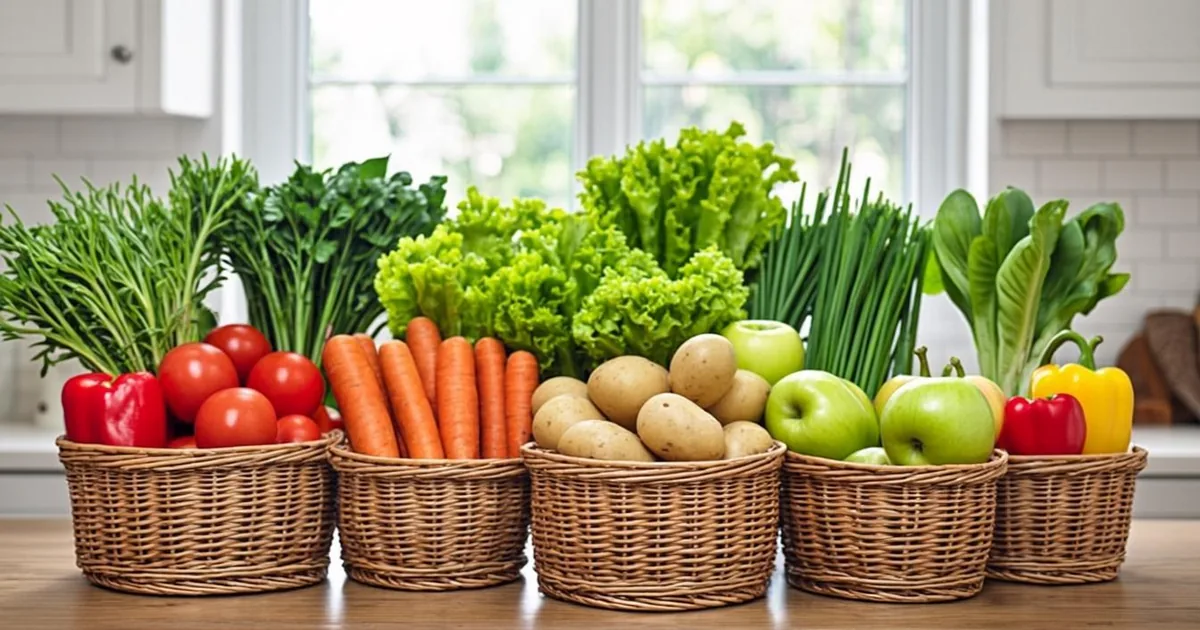
The Delaware Food Stamp Calculator estimates your monthly SNAP (Food Benefits) payment before you file any paperwork — a few inputs, one instant number, no guessing about qualification.
SNAP in Delaware is administered by the Delaware Division of Social Services (DSS). About 120,000 First State residents count on the program each month, and the average Delaware household collects $233 to help buy groceries.
The calculator at the top of this page runs entirely in your browser. Household details in, estimated benefit out — no signup, no email address, nothing personal collected.
Every dollar figure in this guide comes from the DSS eligibility tables that run from October 1, 2026 through September 30, 2027. We'll explain how Delaware SNAP works, what income limits apply, how to apply, and tips for maximizing your benefits.
How the Delaware Food Stamp Calculator Works
The math behind the tool mirrors what a Delaware Division of Social Services (DSS) caseworker runs when your file crosses the desk: household size, income, and deductible expenses pushed through the federal SNAP formula.
One rule drives everything. Take the maximum allotment for your household size, subtract 30% of your net income, and whatever is left is the monthly benefit. Net income means whatever survives after the allowed deductions come off gross pay.
Zero net income earns the maximum benefit. Every dollar of net income above that trims roughly 30 cents from the payment, which is why deductions carry so much weight in the arithmetic.
Household Size
Size moves the numbers more than anything else. A SNAP household counts the people who live under one roof and share meals, and the bigger that group, the higher the maximum allotment climbs.
Gross Monthly Income
Count every dollar arriving before taxes — paychecks, self-employment profit, Social Security, unemployment checks, child support received, and veterans' benefits all belong in the total.
Delaware uses broad-based categorical eligibility, which screens most households at 200% of the federal poverty level instead of the standard 130%. For a single person, that means earning up to $2,660 per month still passes the gross income test; for a family of four, the ceiling is $5,500.
Households that include someone 60 or older or living with a disability get their own pathway: a 165% gross limit — $2,195 per month for a single senior — combined with the net income test and a $4,750 resource allowance. The standard 130% test applies only when categorical eligibility does not.
Housing Costs
Rent or mortgage payments, property taxes, and utility bills all feed the shelter deduction, the single largest expense break for most families, and the calculator converts those bills into a smaller countable income. For most households the deduction tops out at $769 per month in 2026, but a household containing someone 60 or older faces no cap at all.
Childcare Expenses
Daycare that makes work or school possible comes off income dollar for dollar — center-based care, after-school programs, and babysitters all qualify.
Elderly or Disabled Members
A household with someone 60+ or disabled plays by friendlier rules. Medical costs above $35 a month come off income, the shelter deduction runs uncapped, and eligibility can travel through the 165% pathway with its $4,750 resource allowance instead of the standard gross income screen.
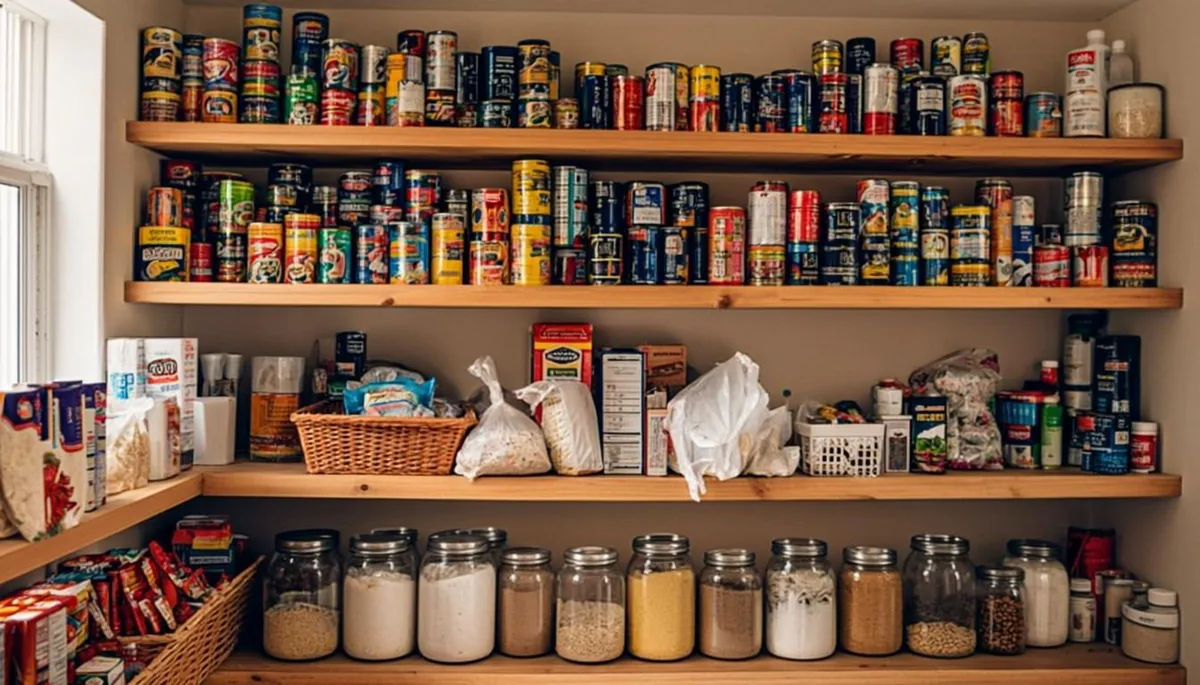
A well-stocked pantry of affordable staples
Delaware SNAP Income Limits
Delaware publishes four income columns because different households face different tests. Most families are screened against the 200% categorical eligibility limit, elderly or disabled households can use the 165% pathway, and the 130% column is the standard federal test that applies when categorical eligibility does not. All four columns run through September 30, 2027, and the numbers below come straight from the DSS eligibility table published at dhss.delaware.gov.
Household Size | 200% Gross (Most Households) | 130% Standard Gross | Net Income Limit | Max Monthly Benefit |
|---|---|---|---|---|
1 person | $2,660 | $1,729 | $1,330 | $306 |
2 people | $3,608 | $2,345 | $1,804 | $562 |
3 people | $4,554 | $2,960 | $2,277 | $808 |
4 people | $5,500 | $3,575 | $2,750 | $1,023 |
5 people | $6,448 | $4,191 | $3,224 | $1,217 |
6 people | $7,394 | $4,806 | $3,697 | $1,463 |
7 people | $8,340 | $5,421 | $4,170 | $1,616 |
8 people | $9,288 | $6,037 | $4,644 | $1,841 |
For each additional person beyond eight, add $948 to the 200% limit, $616 to the standard gross limit, $474 to the net limit, and $225 to the maximum benefit.
The column most people ignore is the one that matters most: 200%. Because Delaware extended categorical eligibility, a family of three earning $4,300 per month — well above the 130% line — still passes the gross income screen. The household must then clear the net income test after deductions, which is where childcare, shelter, and medical costs do the heavy lifting.
One- and two-person households that qualify always receive at least $25 per month, even when a small pension or Social Security check mostly offsets the benefit.
Who Qualifies for SNAP in Delaware?
Income Requirements
Most households must clear the 200% gross income screen, then pass the net income test at 100% of poverty after deductions. Income counts everything before taxes: wages, self-employment profit, Social Security, disability payments, unemployment, child support received, and veterans' benefits.
Resource Limits
Delaware eliminated the resource test for most households when it adopted categorical eligibility, so savings accounts, retirement funds, and vehicles generally do not count against you. The federal limits of $3,000, or $4,750 when someone is 60+ or disabled, apply only on the narrow paths where categorical eligibility does not — such as an elderly or disabled household using the 165% pathway.
Work Requirements
The rules tightened on November 1, 2025. Able-bodied adults without dependents are now ages 18 through 64 — up from 18-54 — and must document 80 hours per month of work, job training, or an approved activity. Miss the hours and benefits stop after three months in a three-year period. DSS warned that some Delawareans saw benefits end as early as February 1, 2026 when the expanded rules caught up with existing cases.
Exemptions remain for living with a child under 14, earning at least $217.50 per week, or having a documented inability to work. Homelessness, veteran status, and foster care at age 18 no longer exempt anyone, while new exemptions were added for certain tribal categories under the Indian Health Care Improvement Act.
Citizenship and Residency
You must live in Delaware and meet the citizenship or immigration rules that took effect April 1, 2026. U.S. citizens and nationals, Cuban and Haitian entrants, citizens of the freely associated states (Micronesia, the Marshall Islands, and Palau), and lawful permanent residents — generally after a five-year wait or with a qualifying exemption — remain eligible.
The 2026 rules narrowed the list: asylum seekers, refugees, and parolees are no longer eligible under the federal changes. U.S. citizen children can still receive benefits even when a parent is undocumented, and in those households only the children's eligibility is evaluated.
How to Apply for SNAP in Delaware
1
Apply Online
Visit ASSIST (assist.dhss.delaware.gov) to apply online. Save progress and return later.
2
Apply by Phone
Call 1-800-372-2022 and a specialist will walk through the application with you.
3
Apply in Person
Visit a State Service Center — Wilmington (310 Kiamensi Rd) or Dover (655 Bay Road) — to file a paper application. Some centers stay open Wednesday evenings.
Documents You'll Need
Delaware driver's license or state ID
Social Security numbers for all household members
Proof of income (last 30 days of pay stubs)
Proof of housing costs (lease or mortgage)
Utility bills (if claiming shelter deduction)
Childcare receipts
Medical bills (if senior or disabled)
What Happens After You Apply
DSS has up to 30 days to decide, and plenty of cases land sooner. Households with almost no income can qualify for expedited service, which puts benefits on the card within 7 days instead.
The Interview
Expect a phone call from a caseworker within the first week or two — the conversation usually runs 20 to 40 minutes, covers your income, expenses, and household makeup, and ends with an explanation of your rights.
Receiving Your Delaware EBT Card
An approval puts a Delaware EBT Card in your mailbox within about a week. After that, deposits hit the same date every month — somewhere between the 2nd and the 23rd, decided by the first letter of your last name.
Using Your Delaware EBT Card
The Delaware EBT Card spends like a debit card anywhere SNAP is accepted — supermarkets, big-box stores, farm stands, and the online checkout lanes at Amazon and Walmart included.
Checking Your Balance
Call EBT customer service at 1-800-526-9099, log into the ConnectEBT website or mobile app, or check your last grocery receipt. The ConnectEBT app also lets you lock the card between purchases and freeze transactions you did not make.
Delaware SNAP Deductions That Increase Your Benefit
🏠
Shelter Deduction
Rent, mortgage, utilities — capped at $769 unless someone is 60+.
👶
Childcare Deduction
Daycare for work or school — fully deductible.
💊
Medical Deduction
Seniors/disabled: over $35/mo.
📋
Standard Deduction
Automatic by household size: $217 to $308.
💼
Earned Income Deduction
20% off wages automatically.
🧾
Child Support Paid
Legally owed payments count out of income.
SNAP for Special Populations in Delaware
SNAP for Seniors
Seniors 60+ get extra deductions. Medical expenses over $35/month become deductible, the shelter deduction has no cap, and the 165% pathway relaxes the income screen. Many seniors qualify but don't apply because they think Social Security disqualifies them — it does not, it simply counts as income.
SNAP for College Students
Students ages 18 to 49 who are enrolled at least half-time usually cannot get SNAP unless they meet an exemption — working at least 20 hours a week, participating in work-study, or caring for a young child among them. The student rule is separate from the ABAWD hours requirement, so a working student may need to satisfy both.
SNAP for Immigrants
Eligibility narrowed on April 1, 2026. U.S. citizens and nationals, Cuban and Haitian entrants, COFA nationals from Micronesia, the Marshall Islands, and Palau, and lawful permanent residents (generally after five years) qualify. Asylum seekers, refugees, and parolees are no longer eligible. Parents without legal status can still file for their U.S. citizen children, and the parent's status never counts against the child.
SNAP for SSI Recipients
SSI recipients can receive SNAP, and households where everyone receives SSI, TANF, or General Assistance skip the gross income test entirely because those programs confer categorical eligibility. Many SSI households collect meaningful food benefits on top of their cash payment.
Delaware SNAP Payment Schedule
Delaware staggers deposits from the 2nd through the 23rd, sorted by the first letter of your last name. An A surname sees money on the 2nd, H on the 9th, Q and R on the 18th, and X, Y, or Z on the 23rd. The deposit lands at midnight, so the balance is there when the day starts.
That deposit day never changes from month to month. For the complete letter-by-letter breakdown, read our SNAP EBT Payment Schedule guide, or open the full table on our Delaware SNAP benefits guide.
SNAP in Major Delaware Cities
SNAP (Food Benefits) in Wilmington
New Castle County handles the largest share of Delaware's SNAP caseload. The Wilmington State Service Center at 310 Kiamensi Road accepts walk-in applications, and the Food Bank of Delaware's Newark and Wilmington sites offer free application help.
Apply online at ASSIST (assist.dhss.delaware.gov) or call 1-800-372-2022.
SNAP (Food Benefits) in Dover
Kent County residents can file at the Dover State Service Center, 655 Bay Road. Some centers keep Wednesday evening hours for applicants who cannot leave work during the day.
Apply online at ASSIST (assist.dhss.delaware.gov) or call 1-800-372-2022.
SNAP (Food Benefits) in Georgetown
Sussex County applications run through the Georgetown State Service Center. The Food Bank of Delaware's Milford site serves the same region with free SNAP application assistance at (302) 722-6470.
Apply online at ASSIST (assist.dhss.delaware.gov) or call 1-800-372-2022.
Common Delaware SNAP Myths
Myth: "I make too much money."
Most Delaware households are screened at 200% of the poverty level. A family of four can earn up to $5,500 per month and still pass the gross income test.
Myth: "I own a car."
Categorical eligibility removes the asset test for most households, and one vehicle per adult is excluded anyway.
Myth: "SNAP takes from others."
SNAP is an entitlement — the budget never runs out, so everyone who meets the rules gets paid.
Myth: "I'm undocumented."
Citizen children of parents without legal status still qualify — the April 2026 rule change left that untouched.
How to Get Expedited SNAP in Delaware
Expedited SNAP provides benefits within 7 days for households with very low income (under $150/month and less than $100 in resources). If your money is already gone — rent overdue, empty cabinets — say so on the application, because the expedited screen happens on day one.
SNAP and Medicaid in Delaware
ASSIST (assist.dhss.delaware.gov) takes one application and screens it against both SNAP and Medicaid rules at the same time.
Free Delaware SNAP Application Help
Online:
ASSIST (assist.dhss.delaware.gov)
Phone:
1-800-372-2022
Food Banks:
Food Bank of Delaware
Legal Aid:
Delaware Legal Aid
What Can You Buy with SNAP in Delaware?
✅ Allowed
Fruits and vegetables
Meat, poultry, fish
Dairy products
Bread, cereal, rice, pasta
Snack foods and beverages
Seeds and plants
❌ Not Allowed
Alcohol and tobacco
Vitamins and supplements
Hot prepared foods
Pet food
Paper products
Cleaning supplies
One Delaware-specific note: the state has not requested a federal waiver to restrict purchases, so unlike households in Texas or Florida, Delaware EBT users can still buy soda, candy, and sweetened drinks. The federal rules on what counts as food have been shifting state by state, and Delaware's stance could change, so treat the lists above as the current baseline.
Delaware SNAP Quick Summary
📋 Delaware SNAP at a Glance
Program: SNAP (Food Benefits)
Administered by: Delaware Division of Social Services (DSS)
Portal: ASSIST (assist.dhss.delaware.gov)
Phone: 1-800-372-2022
EBT card: Delaware EBT Card
EBT helpline: 1-800-526-9099
Payment dates: 2nd-23rd of each month
Max benefit (1 person): $306/month
Max benefit (family of 4): $1,023/month
Average household benefit: $233/month
Gross income limit: 200% of FPL for most households
Resource limit: none for most households
Delaware SNAP Application Checklist
Before You Apply, Gather:
Delaware driver's license or state ID
Social Security numbers for everyone
Proof of income — last 30 days
Proof of housing costs
Utility bills
Childcare receipts
Medical bills (if senior or disabled)
Having every document in hand before you start speeds the file through review — incomplete paperwork causes more delays than any other single issue.
Tips to Maximize Your Delaware SNAP Benefits
Claim every deduction. Shelter, childcare, and medical costs all belong in the file — each deducted dollar returns roughly 30 cents in added benefit.
Ask about farmers market matching. Several Delaware markets add bonus dollars when you shop with EBT, which stretches your produce budget further at the peak of the season.
Report income drops immediately. Lower income means higher benefits. SNAP can be recalculated mid-certification.
Buy on sale and in volume. Staple foods purchased at a discount stretch the allotment noticeably further.
Don't give up after denial. Appeals succeed more often than people assume, and the window stays open for 90 days.
Common Application Mistakes to Avoid
⚠️
Not Claiming All Deductions
Each unclaimed deduction quietly shrinks the monthly payment.
⚠️
Missing the Interview
A missed call only stalls the case — phone DSS back the same day to reschedule.
⚠️
Not Reporting Income Changes
The 10-day reporting window exists to prevent clawbacks.
⚠️
Giving Up After Denial
Appeals succeed more often than people expect. Free legal help exists.
Related SNAP Guides
Delaware SNAP benefits guide — Official 2026 four-tier tables and the letter-by-letter deposit schedule
Food Stamp Calculator — General SNAP calculator
Food stamps on $1,000 a month in Pennsylvania — A worked example for a neighboring state
SNAP EBT Payment Schedule — When benefits load
Next Steps
The Delaware food stamp calculator gives you a quick, private estimate before you commit 30 minutes to an application. Treat the result as a strong signal rather than a promise, because DSS makes the final call on verification day.
If the estimate shows a benefit, gather the documents from the checklist above and file at ASSIST (assist.dhss.delaware.gov). Households with almost no income should ask for expedited processing at the same time.
Denied? You have 90 days to request a fair hearing, and many decisions get reversed once missing paperwork arrives. The Food Bank of Delaware help line at (302) 722-6470 will walk you through any of these steps for free.
Ready to Check Your Delaware Benefits?
The free calculator sits at the top of this page.
Detailed Guide: Delaware SNAP Application Process
Filing for Delaware food benefits runs through a handful of predictable stages, and knowing the sequence keeps the file moving.
Stage one is the application itself — filed through ASSIST, over the phone at 1-800-372-2022, or on paper at a service center. It collects who lives in the home, what they earn, and what the household pays for housing.
DSS then reviews the file and books an interview, generally within 7 to 10 days. The conversation almost always happens over the phone.
Verification documents come next, and the caseworker spells out exactly which ones are needed. The clock allows about 10 days to get them submitted.
With paperwork in hand, DSS reaches a decision and mails the result: approval, denial, or a request for more information.
Approved households see an EBT Card within 5-7 business days, and deposits follow the standard 2nd-through-23rd calendar.
Understanding Delaware SNAP Benefit Calculation in Detail
Delaware applies the federal benefit formula without local twists, so seeing the arithmetic on a real-world case, line by line, takes the mystery out of the estimate.
Consider a family of four in Delaware with a gross monthly income of $3,000. They pay $1,200 in rent plus $200 in utilities, and they spend $300 per month on childcare so both parents can work. Here is the arithmetic, step by step, using the 2026 deduction amounts.
Gross income screen. $3,000 sits well below the $5,500 ceiling for a four-person household at Delaware's 200% limit, so the application passes the first gate.
Standard deduction. A four-person household subtracts $229, bringing countable income to $2,771.
Earned income deduction. Wages are cut by another 20%, removing $600 and leaving $2,177.
Childcare deduction. The $300 daycare bill comes off the top next, leaving $1,877.
Shelter deduction. Half of the remaining income ($938.50) is protected for food. Shelter costs of $1,400 exceed that line by $461.50, which is below the $769 cap, so the full excess is deducted. Net income lands at $1,415.50 — comfortably under the $2,750 net limit for four people.
Final benefit. $1,023 maximum allotment minus 30% of net income ($424.65) pays this family about $569 per month.
That $569 is not a rounding trick — it is the same arithmetic our calculator runs, and small changes ripple through it quickly. A $200 rent raise adds roughly $60 to the monthly benefit, while a $200 raise at work costs about $60. A senior household with the same income would fare even better, since the shelter deduction is uncapped past age 60 and medical costs above $35 per month are deductible too.
Delaware SNAP for Working Families
Full-time work and SNAP are not mutually exclusive in the First State — the program exists to stretch working families' food budgets, not to replace paychecks.
Delaware screens most households at 200% of the poverty level, so a family of four earning up to $5,500 per month can still pass the gross income test.
Workers also unlock deductions that non-working households cannot touch. Daycare required to hold a job deducts in full, which is why two-earner households often come out ahead in the math.
The earned income break helps twice over: SNAP lops 20% off wages before the benefit formula even starts, so a working family collects more than a household with the same total income from unearned sources.
Delaware SNAP and Housing Costs
Nothing moves a Delaware benefit calculation like housing costs. The same paycheck buys a bigger benefit in a high-rent ZIP code than in a cheaper one, because the formula measures how much income is left after shelter.
Rent or mortgage, property taxes, and utilities all build the shelter deduction, and separately billed heating or cooling costs pull in the Standard Utility Allowance (SUA) on top.
When shelter costs exceed half of your income after the other deductions, the excess becomes your shelter deduction. For most households that deduction is capped at $769 per month in 2026, but households containing someone 60 or older face no cap at all — which is why high-rent seniors often collect more than the raw income numbers suggest.
Accuracy on housing costs pays literal dividends. A modest rent increase, properly reported, can lift the monthly benefit by a surprising margin.
Delaware SNAP Recertification Guide
SNAP in Delaware runs on a certification clock — roughly every 12 months, the household has to prove it still qualifies.
A renewal packet arrives by mail about 45 days ahead of the deadline. Most Delaware households sit on a 12-month cycle, so that packet is the cue to start gathering paperwork.
Inside are forms covering who lives in the home, what everyone earns, and what the household pays in rent and utilities. Current proof — recent pay stubs, a lease, utility bills — needs to ride along.
A brief phone call with a caseworker closes the loop. Expect questions about anything that has shifted since the last certification: a new job, a roommate who moved out, a rent increase.
Missing the deadline stops benefits cold, and restarting means a brand-new application with another 30-day wait attached. Circle the date, set a phone reminder, do whatever it takes not to blow past it.
Reporting Changes Between Recertifications
Certain changes carry a 10-day reporting duty between recertifications. Skip the report and an overpayment can pile up — money DSS will eventually claw back.
The reportable list covers raises and pay cuts, people moving in or moving out, a new address, and swings in rent or daycare costs.
ASSIST handles reports online, and 1-800-372-2022 takes them by phone. Jot down the date, the time, and the name on the other end of every report — that paper trail settles disputes fast.
Delaware SNAP EBT Card Security
An EBT card is real money in plastic form, and it deserves debit-card-level protection. A handful of habits keeps most Delaware accounts safe.
Guard the four-digit PIN — nobody legitimate will ever ask for it, so keep it in your head rather than on paper. The moment a PIN feels compromised, call 1-800-526-9099 and reset it.
Skimming crews target card readers, so give the terminal a quick once-over before inserting a card. A loose attachment or an odd-looking slot is reason to pay another way and flag the store manager.
Here is the part many Delawareans learn too late: under current federal rules, Delaware does not replace benefits stolen through skimming or phishing scams. A skimmed card balance is simply gone, so prevention carries all the weight. Lock the card in the ConnectEBT app between shopping trips, change your PIN from time to time, and ignore any text or call that asks you to "verify" your EBT account — DSS never does that. If theft happens anyway, report it to 1-800-526-9099, file the SNAP Stolen Benefits form, and get a police report on record.
A lost or stolen card needs one quick call to 1-800-526-9099. The old card dies immediately and a replacement ships within 5-7 business days.
Seasonal Considerations for Delaware SNAP Recipients
The benefit amount holds steady all year, but shopping conditions do not. A little seasonal planning stretches the same dollars further.
Summer brings peak produce at lower prices, and market season means matching programs can multiply fruit-and-vegetable purchases when EBT is in play.
School-age children lose cafeteria meals once summer break starts, so grocery needs typically climb in June, July, and August. Delaware's SUN Bucks program softens that gap with $120 per school-age child, deposited automatically for most SNAP households in June or July — a separate deposit worth watching for.
Winter pricing flips the script: fresh produce gets expensive while frozen and canned vegetables hold steady on price and nutrition. Slow-cooker soups and stews turn cheaper ingredients into filling meals.
Holiday tables cost extra, so tuck a little of each month's benefit aside early in the fall. Food banks across the state also hand out holiday meal baskets, no questions asked.
Monthly Budgeting Strategy for Delaware SNAP Recipients
Benefits deposited on the 2nd have to survive until the next cycle, and a week-by-week rhythm is the simplest way to make that happen. This framework has worked for thousands of SNAP households.
Week 1: Spend big while the balance is full — rice, dried beans, pasta, frozen proteins, and pantry staples carry the month. Grab enough fresh produce for the first seven days.
Week 2: A smaller trip covers the perishables: milk, bread, eggs, fruit. Pantry inventory first, shopping list second.
Week 3: Halfway point — check the EBT balance. Running hot? Shift menus toward what the pantry already holds and save the balance for essentials.
Week 4: Cook down the inventory. Casseroles, soups, and anything that empties the crisper drawer before the next deposit. Fresh purchases shrink to milk and bread.
And when the balance hits zero early, a food bank bridge costs nothing and changes nothing about the SNAP case — pantry visits never count against eligibility.
Frequently Overlooked Delaware SNAP Deductions
Plenty of Delaware households leave money on the table by skipping deductions they could legally claim. These four slip through most often.
Child support payments: Court-ordered support paid out counts as a deduction — money that leaves the paycheck before it ever buys food. Most paying parents have no idea it counts.
Medical expenses for seniors: For households with a member 60+ or disabled, out-of-pocket medical spending past $35 a month becomes deductible. Medicare premiums, pharmacy copays, dental work, glasses, hearing aids, and even mileage to appointments all belong in that tally.
Utility costs: A household paying any utility bill separate from rent should claim the Standard Utility Allowance, which in Delaware can add serious weight to the shelter deduction.
Dependent care for adults: Adult day care that makes work possible deducts the same way childcare does — a break families caring for a disabled adult too often forget to claim.
Delaware SNAP and Other Benefit Programs
A SNAP approval opens doors beyond the grocery aisle. Several companion programs ride along with food benefits in Delaware.
WIC: Pregnant women and families with children under 5 can stack WIC on top of SNAP — the program covers specific nutritious foods without touching the SNAP allotment.
Free school meals: School districts feed children from SNAP households at no charge, breakfast and lunch both, with no extra paperwork required.
Summer EBT: When classrooms empty out in June, $120 per enrolled child arrives to cover the meals cafeterias used to serve. SNAP households receive it automatically, while others can apply through ASSIST by August 31, 2026 with income under 185% of poverty. The money lands on a separate EBT card in June or July and expires 122 days after the deposit, so spend it during the break.
LIHEAP: Heating and cooling bills shrink through the Low Income Home Energy Assistance Program, and SNAP households often clear its income screen automatically.
Medicaid: One ASSIST application screens for both programs at once, and most SNAP parents with children land Medicaid coverage as well.
Senior Nutrition: Home-delivered meals and community dining sites serve adults 60+ across all three counties, and neither counts against SNAP eligibility.