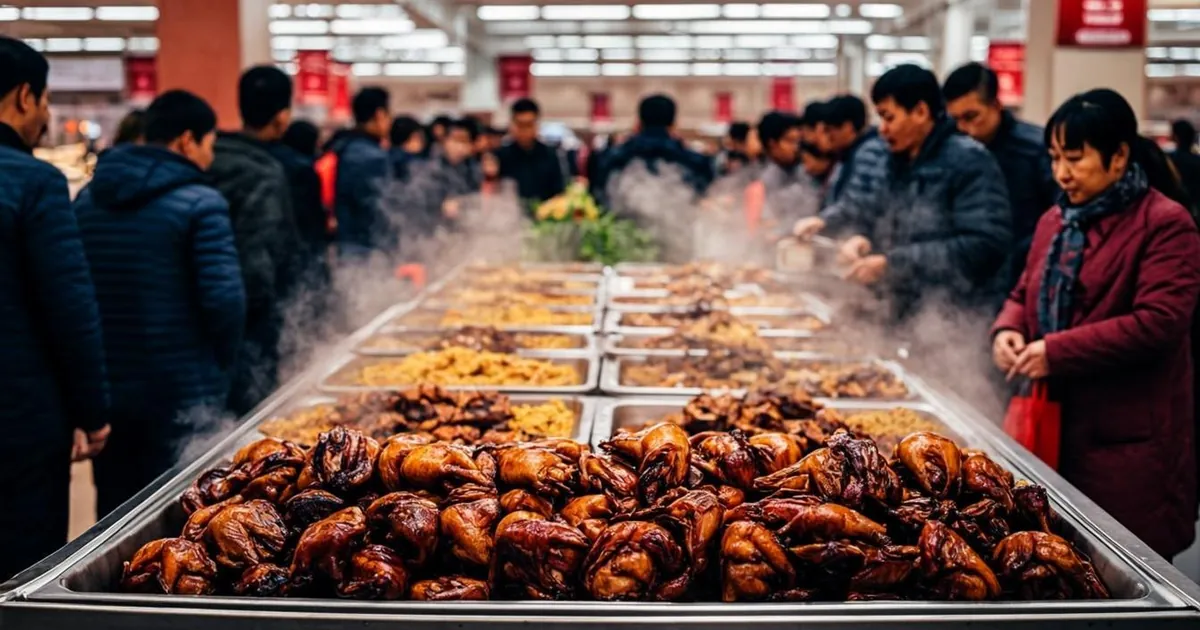
The rotisserie chicken is the classic heartbreak of the SNAP program. It is cooked, it is chicken, and it is cheaper than the raw bird.
Meanwhile, the register still declines it every single time. The cold sandwich two feet away in the cooler goes through without a problem.
That contrast is not a store policy or a cashier's mood. It is one of the oldest rules in the food stamp statute.
SNAP benefits buy foods for preparation and consumption at home. They do not buy hot foods ready to eat at the point of sale.
The rule has exactly one nationwide exception, the Restaurant Meals Program. After a disaster, a temporary waiver applies that most people never hear about.
This guide explains the hot-food rule and its cold-food gray areas. It maps the nine states that allow restaurant meals and who qualifies in each. It also shows how the purchase actually works at the register.
The same rule applies at convenience stores, with its own quirks. Our EBT at gas stations guide covers that side of it.
The Hot Food Rule, Stated Simply
Federal regulations define SNAP-eligible foods as items for home preparation and consumption. They expressly exclude "hot foods ready for immediate consumption."
The language dates to the program's design. Food stamps were conceived as a grocery supplement, not a meal service.
When a store sells you food it heated, the EBT terminal rejects it. That covers rotisserie chicken, hot bar entries, pizza slices under heat lamps, soup from the warmer, and coffee from the burner. The system treats the item as a restaurant meal.
Two clarifications prevent most confusion. The rule looks at temperature at the point of sale, not at the food itself.
Chicken, pizza, and soup are all perfectly eligible when cold. The rule also looks at the store's preparation, not yours.
A frozen pizza, an uncooked take-and-bake, or raw chicken all pass, because you are doing the heating at home. Stores that heat food at your request walk a fine line here.
Once they warm it for you, it is a hot prepared food. The national eligible-foods list that governs every state is maintained on the FNA retailer eligibility page.
The 60-second version
Cold is yes and hot is no, everywhere in America. The only exception is a qualifying household in one of the nine RMP states.
When disaster strikes, USDA can temporarily waive the hot-food rule for affected counties. That is why hot meals became EBT-eligible after major hurricanes and wildfires.
The Gray Areas That Decide Most Deli Purchases
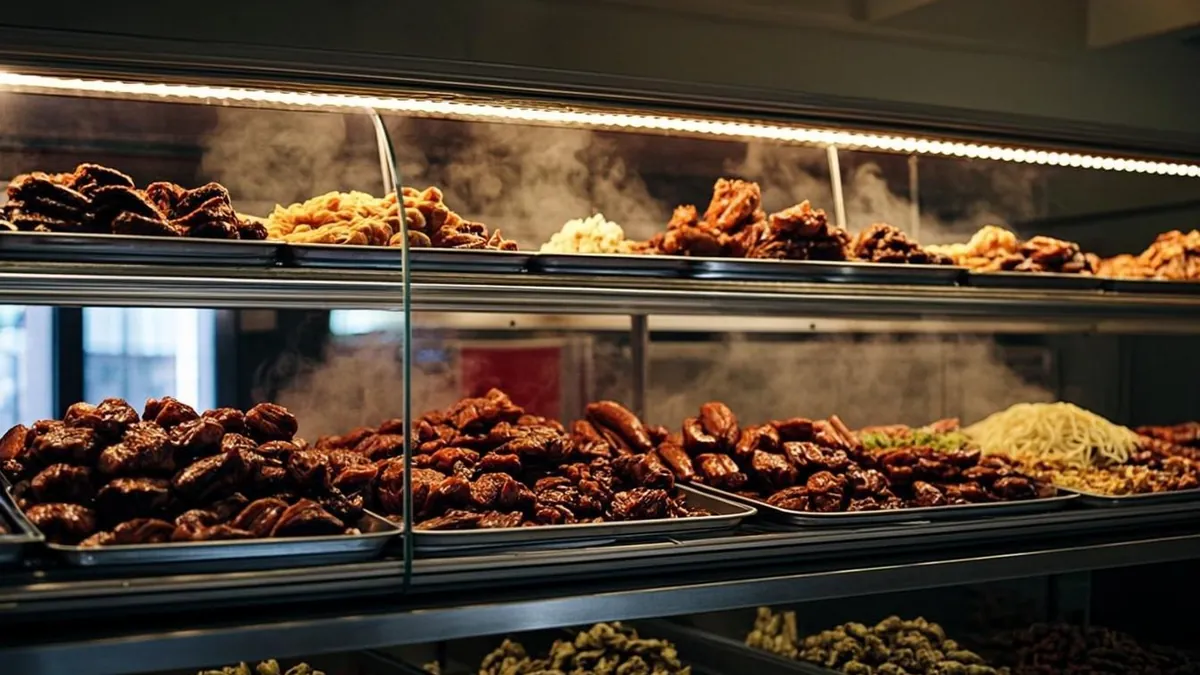
Grocery delis sit right on the boundary, so it pays to know the lines. A cold sub from the cooler is eligible; the same sub toasted is not.
Cold fried chicken in the grab-and-go case is eligible. Chicken under the heat lamp is not.
A whole rotisserie bird sold warm fails the test. Sold cold the next day, it is eligible again.
Deli platters, party trays, birthday cakes, and fruit arrangements are all eligible. They are sold cold and meant for home consumption.
Salads from the salad bar are eligible as long as the bar items are cold. Hot bar items fail regardless of what they are.
Rotisserie chickens deserve a special mention, because they sit at the center of so many refund requests and forum debates. A warm bird from the rotisserie case fails, and no store policy overrides the federal definition.
Coffee follows the same logic. Ground coffee, pods, and cold brew are groceries, while the poured cup is a prepared hot food.
Energy drinks split by label rather than temperature. Our gas station guide decodes that split in detail.
Bakeries produce the other recurring confusion. A fresh-baked bread loaf sold at room temperature is eligible, because it is not hot at the point of sale.
A fresh-out-of-the-oven loaf that is still warm technically crosses the line. In practice, stores sell bakery bread on SNAP all day because it is not prepared for immediate on-site consumption.
One consistent test the industry uses is simple. Would a reasonable person eat this now, as a meal, or take it home? Home-bound items pass, and eat-it-now items fail.
The Restaurant Meals Program: Where Hot Food Is Legal
The Restaurant Meals Program is a state option. It authorizes participating restaurants to accept EBT from specific vulnerable groups.
Nine states run it in 2026: Arizona, California, Illinois, Maryland, Massachusetts, Michigan, New York, Rhode Island, and Virginia. Virginia is the newest arrival, having launched statewide eligibility for elderly, disabled, and homeless households under 2025 legislation.
Eligibility inside those states is deliberately narrow, and the restaurant side is opt-in. Chains like Subway, McDonald's, KFC, Taco Bell, and Pizza Hut participate in select locations. Participating restaurants are marked by an EBT-accepted decal on the door.
| State | Who qualifies for RMP | Coverage notes |
|---|---|---|
| Arizona | 60+, disabled, or homeless | Longest-running RMP; wide restaurant network |
| California | 60+, disabled, or homeless (plus eligible spouses) | Counties opt in — most large counties participate |
| Illinois | 60+, disabled, or homeless | Restaurant participation concentrated in Cook County and nearby counties |
| Maryland | 60+, disabled, or homeless | Statewide program run by DHS |
| Massachusetts | 60+, disabled, or homeless | Statewide; growing restaurant list |
| Michigan | 60+, disabled, or homeless | Statewide since 2018 |
| New York | 60+, disabled, or homeless | New York City only |
| Rhode Island | 60+, disabled, or homeless | Statewide |
| Virginia | 60+, disabled, or homeless | Newest state — 2025 law; rollout details on the Virginia SNAP page |
The pattern across all nine states is the same three groups: elderly, disabled, and homeless. Congress designed RMP for people who cannot store or cook food.
If your household includes even one working-age member who is neither disabled nor homeless, it generally cannot use RMP. That holds even in a participating state.
The official state contacts and requirements are listed on the FNA Restaurant Meals Program page. The demographic rules behind each group are explained in our seniors and disability guide.
How an RMP Purchase Actually Works
At a participating restaurant, the EBT card swipes through the same terminal as a credit card. The SNAP balance pays for the meal without sales tax, because SNAP purchases are tax-exempt in every state.
There is no tip line on the EBT transaction, so cash tips stay cash. The receipt shows the restaurant's name and the amount deducted from the food-benefit balance.
One caveat surprises people: RMP purchases draw from your normal monthly SNAP allotment. A restaurant meal competes directly with groceries, and nothing extra gets added to your benefit for using it.
For households without kitchen access, RMP turns the monthly benefit into real meals. The practical reach depends on how many restaurants participate locally, which varies enormously even within a state.
Check your state agency's RMP restaurant list before counting on it. Keep the cold-deli fallback in mind for weeks when the nearest participating location is out of reach. Where your deposit timing affects when you can buy, the EBT deposit schedule guide covers the month's rhythm.
Disaster waivers are temporary and county-specific
After a presidentially declared disaster, USDA frequently approves a hot-food waiver. It lets D-SNAP and regular SNAP households buy prepared hot meals in affected counties.
The waiver lasts weeks, not months, and applies only in named counties. Watch your state agency's announcements rather than assuming the rule changed nationwide.
The Online and Delivery Wrinkle
Online grocery shopping added a new layer to the hot-food question. Under the national SNAP online purchasing program, authorized retailers accept EBT for eligible items ordered through their sites and apps. Those retailers include the big grocery chains and warehouse clubs, plus a widening list of regional stores and delivery services.
The eligible-foods definition travels with the order. Cold deli items, frozen meals, and every standard grocery item pass.
Hot prepared foods stay excluded exactly as they are in the store. Some retailers blur the line on their websites with a prepared foods department. That department mixes eligible cold items with ineligible hot ones, so read the item descriptions rather than the department sign.
Delivery and service fees are the other trap. SNAP covers the food itself but never the delivery fee, service charge, or tip.
Those extras need a separate payment method on every platform. A few states have piloted expanded delivery for elderly and disabled recipients through their aging agencies.
Restaurant-meal delivery inside RMP states remains rare and state-specific. The practical rule for most households: order groceries online freely and pay the fees another way.
Treat hot restaurant delivery as outside the program, except where your state explicitly says otherwise. When in doubt, the state pages in our states directory track what each state agency currently allows.