Gas station aisles decide more SNAP shopping trips than most people realize. Some items ring up as eligible food, some trigger a decline, and the cashier usually cannot explain why.
The rules are simple once you know the one principle behind them. SNAP buys foods for home preparation and consumption, sold by stores that stock enough real groceries to qualify as a SNAP retailer.
Everything at a gas station flows from that principle. It explains why a cold sandwich passes and the same sandwich warmed up fails.
This guide covers what works at the pump-side store, item by item. That includes the retailer rules, the energy drink gray area, and the cash side of the card that trips people up.
Still building your base knowledge of the program? The SNAP eligibility basics guide covers how the benefit lands on your card in the first place.
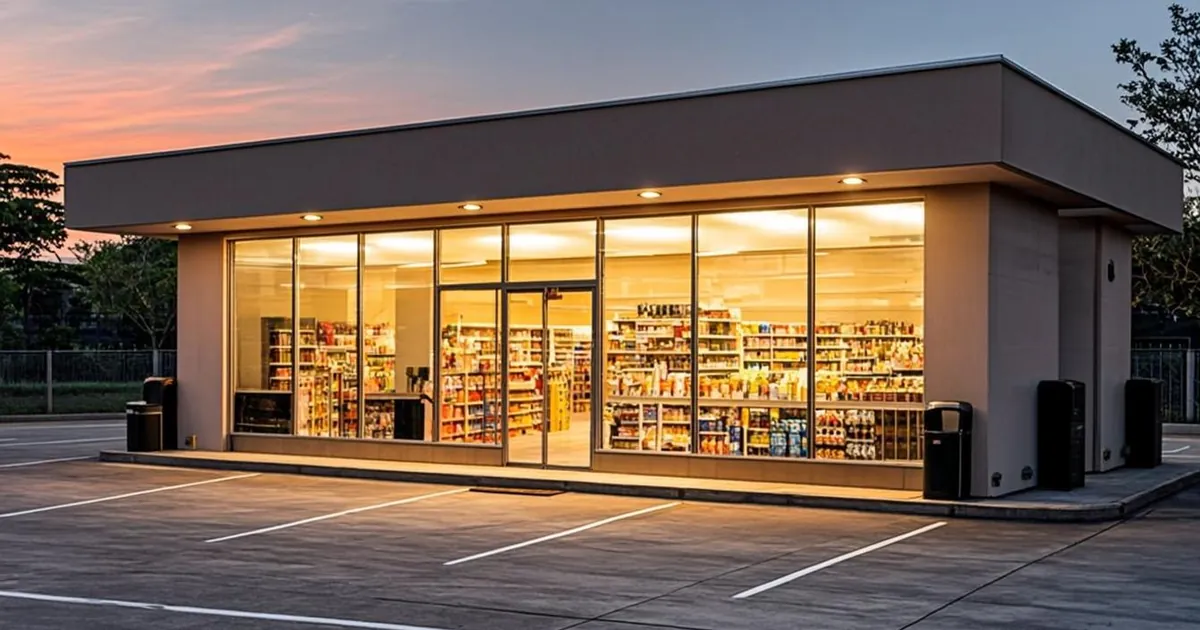
Which Gas Stations Accept EBT at All
A gas station is not automatically a SNAP retailer. The store must be authorized by the Food and Nutrition Administration (FNA, the renamed Food and Nutrition Service).
Authorization requires passing one of two tests. Criterion A is the inventory route.
The store must continuously stock at least three varieties of staple foods in each of the four staple categories. Those categories are fruits and vegetables, meat, poultry or fish, dairy, and breads or cereals. Perishable stock must sit in at least three of the four.
Criterion B is the sales-mix route. More than half of everything the store sells, measured in dollars, must be staple foods.
That is why your experience varies so much from station to station. A large travel center with a mini grocery section usually qualifies under Criterion A. A tiny kiosk selling hot dogs, sodas, and motor oil usually never qualifies at all.
The FNA store eligibility rules spell out both tests on their site. The official SNAP retailer locator, searchable by address, tells you which nearby stations are authorized before you even pull in.
One warning is worth knowing about declining terminals. If the locator shows a station as authorized but the terminal keeps declining, the store's authorization may have lapsed. The balance never leaves your card on a declined transaction.
What You CAN Buy With SNAP at a Gas Station
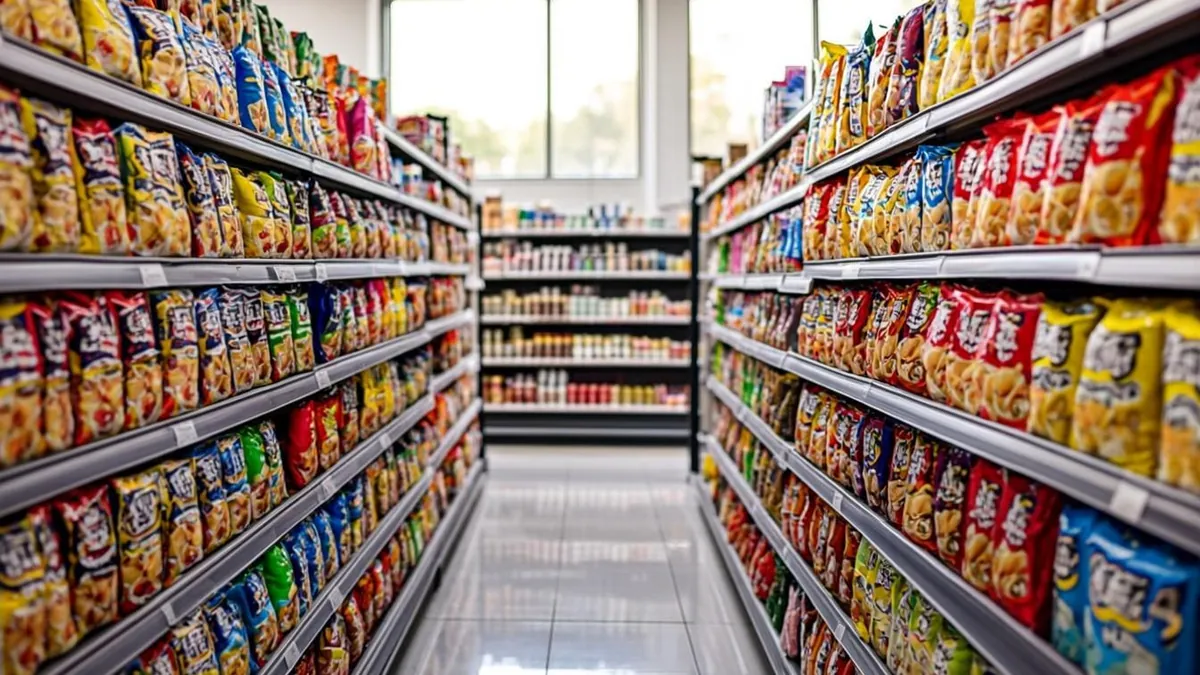
The eligible list is bigger than most people expect. It follows the national eligible-foods definition rather than any store-specific rule. The FNA eligible foods list is the source document worth bookmarking.
- Dairy and chilled items: milk, cheese, yogurt, butter, eggs, juice cartons, and chilled single-serve drinks.
- Breads, cereals, and snacks: loaf bread, tortillas, breakfast cereal, crackers, chips, granola bars, cookies, and candy.
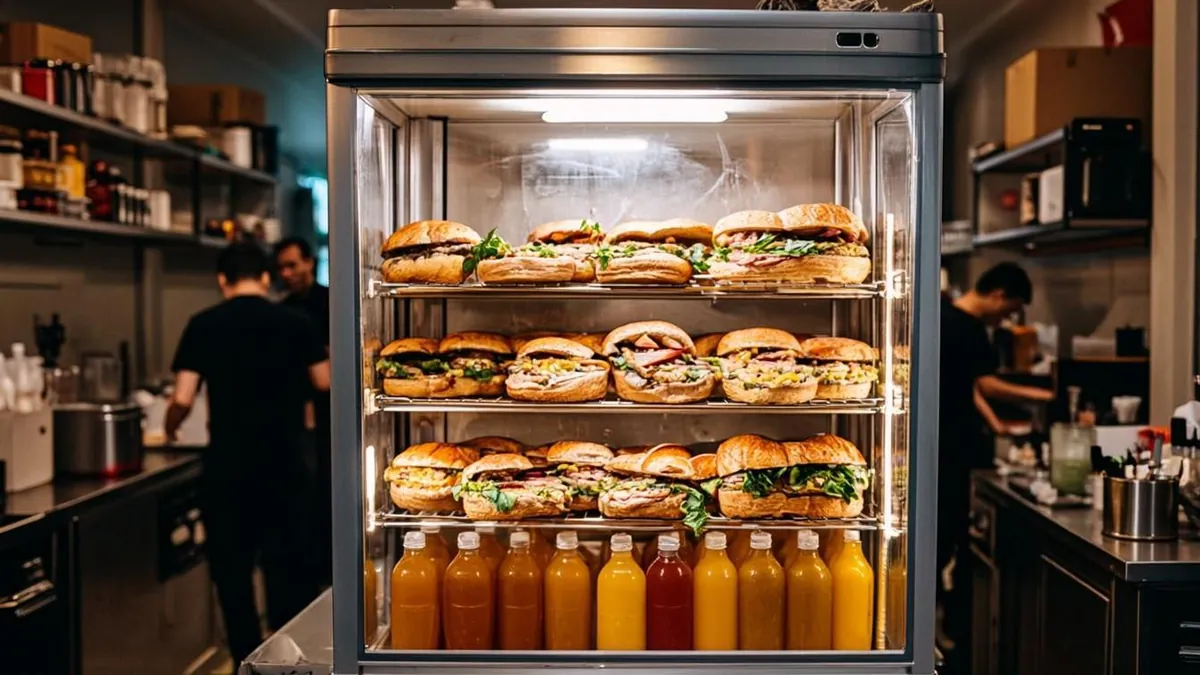
- Cold prepared foods: refrigerated sandwiches, cold subs, salads, sushi packs, cold fried chicken, and frozen meals you heat at home.
- Bottled coffee and cold brew: any sealed coffee drink off the shelf, plus grounds or beans to brew yourself.
- Ice, seeds, and plants: bagged ice counts as food, and seeds or plants that grow food at home are always eligible.
Cold deli items deserve a second look, because they are the most common surprise at the register. A sandwich in the cooler is eligible food even though the store prepared it. Warm that same sandwich in the toaster and it becomes a hot food the terminal will reject.
That cold-versus-hot line, not the store type, decides almost every confusing gas station moment. Cold fried chicken in the grab-and-go case passes. The Restaurant Meals Program is the only national exception for hot food.
It reaches only a handful of convenience-store counters in the nine participating states. Your own state page tracks whether any near you qualify.
Some gas-station chains bolt a fast-food counter onto the store. Think a Subway, a pizza counter, or a fried-chicken window. Those counters are restaurants in the eyes of the rules, not part of the convenience store.
EBT food benefits do not work at those counters for most shoppers. Only a Restaurant Meals Program participant in a participating state can use benefits at an authorized one.
A growing number of chains also let you order ahead through an app for in-store pickup. Eligible groceries paid at pickup work just as they would at the register. The app itself usually cannot process SNAP, so expect to pay at the counter instead.
Timing matters more at gas stations than at supermarkets. Small stores restock staples irregularly, so the bread shelf that was full on Friday can be empty on Tuesday.
A store that cannot keep its four staple categories stocked risks losing the authorization that lets it take EBT at all. If your nearest station has cut its grocery section to the bone, check the retailer locator again before your next trip. Authorization status changes more often than the signage does.
Long drives deserve their own plan. Map the authorized stores along your route the same way you map fuel stops. A decline at a rural kiosk is not a technical glitch you can argue your way out of.
What You CANNOT Buy With SNAP at a Gas Station
The decline list is mostly things SNAP never covers anywhere. One category, hot prepared foods, catches people specifically at convenience stores.
- Fuel of every kind: gasoline, diesel, propane, oil, and every automotive fluid.
- Hot prepared foods: roller-grill sausages, taquitos, hot pizza slices, heat-lamp burgers, and hot coffee from the burner.
- Alcohol and tobacco: beer, wine, liquor, cigarettes, vapes, and lottery tickets from the counter.
- Supplements and medicine: anything with a Supplement Facts label, including most energy shots and protein powders, plus vitamins, aspirin, and cough syrup.
- Non-food merchandise: paper towels, car supplies, phone chargers, pet food, cleaning products, and the car wash add-on.
Hot food has the simplest rule of all. If the store heated it to sell it hot, SNAP cannot buy it. Fountain drinks sold with crushed ice mixed hot fail for the same reason.
The energy-drink label trick, decoded
Pick up the can and look at the back. A Nutrition Facts label means the drink is classified as food, and SNAP pays. A Supplement Facts label means it is classified as a supplement, and SNAP declines.
Same shelf, same price, two different labels. That single check resolves the most common gas station confusion in the country.
The Cash Side of the EBT Card Changes Everything
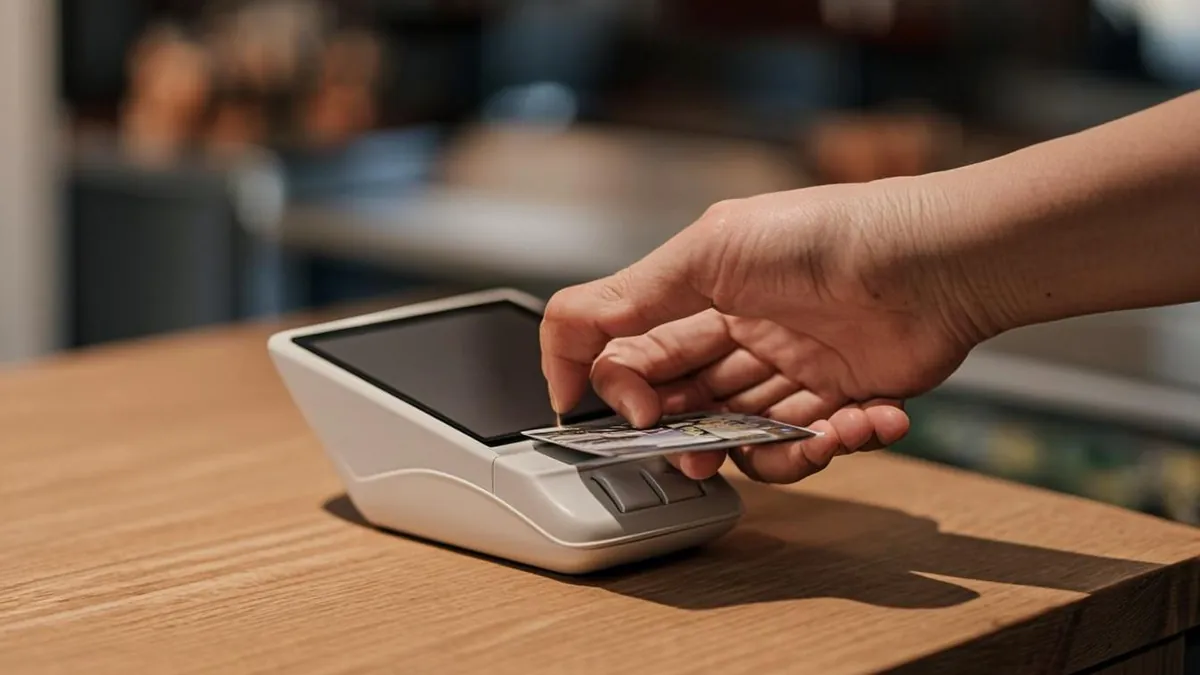
Here is the nuance that makes a gas station trip work when the food side alone cannot. Many EBT cards carry two balances.
The SNAP food-benefit balance follows every rule in this guide. The cash-benefit balance holds TANF or general assistance dollars loaded by the state.
That cash side spends like cash at any terminal that accepts EBT cash. It can cover fuel, non-food items, and hot food alike. A single parent buying gas and a cold sandwich can split the transaction between the two balances.
Pay for the fuel from the cash side and the sandwich from SNAP. Keep the two strictly separate in your head, though.
Using SNAP benefits for non-food items is retailer and recipient trafficking. That is a federal violation with real penalties.
A first offense can disqualify you from the program for a year. A second offense can be permanent. Cash-benefit purchases carry no such restriction.
If you are unsure which balance a purchase drew from, the receipt labels it. The balance-checking steps in our EBT payment schedule guide cover how to review both sides of the card.
A Real Gas Station Basket, Itemized
Picture a typical travel-center basket. It holds a gallon of milk ($3.79), a loaf of bread ($2.99), bananas ($1.29), and a cold chicken wrap ($5.49).
There is also a roller-grill taquito ($2.49), iced coffee from the cooler ($3.99), and hot coffee from the burner ($1.79). An energy drink ($2.99) and ten gallons of gas ($31.90) finish the basket.
SNAP covers the milk, bread, bananas, cold wrap, cold coffee, and the energy drink if it carries a Nutrition Facts label. Those eligible items come to about $18.55. The taquito, hot coffee, and fuel fall to cash or another payment method.
Watching the clerk split the ticket that way is the entire program in miniature. Once you have seen it, the rules stop feeling arbitrary.
Two practical habits make future trips smoother. Do the label check while walking the aisle, since it takes three seconds and prevents the most common decline. Re-check the retailer locator when a station's grocery section keeps shrinking.
Stores lose authorization when staple-food stock drops below the criteria. An authorized sign in the window is not a guarantee. Households stretching a thin food budget should also review the household size allotment table before the next deposit lands.